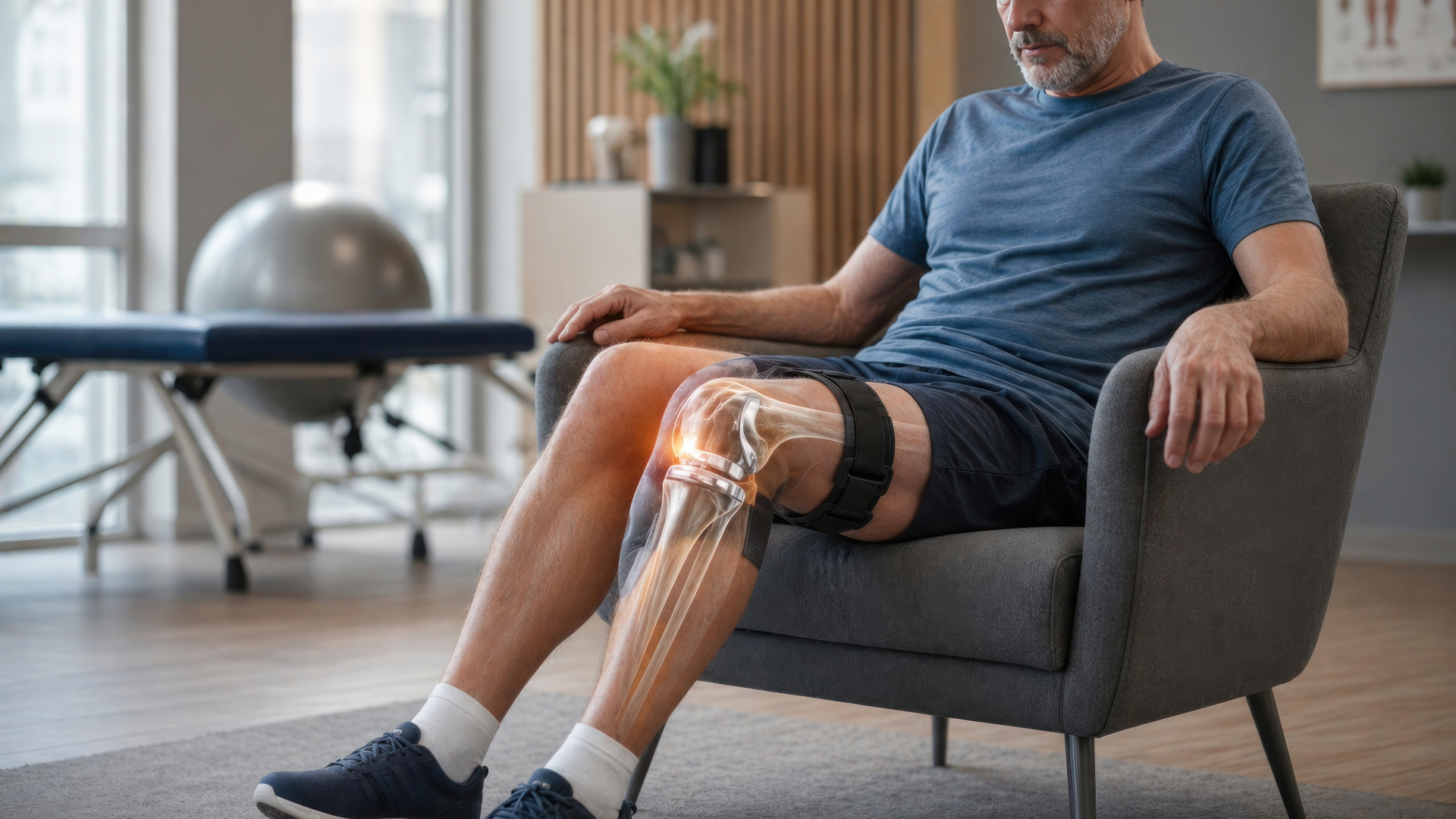
Total Knee Replacement (TKR) Rehab Care: A Practical Guide to Getting Back on Your Feet
Total knee replacement (also called total knee arthroplasty) can dramatically reduce pain and restore mobility for people with severe arthritis or joint damage. The surgery is only the first step—dedicated rehabilitation is what turns a new joint into a functional, strong knee. Consistent rehab helps regain range of motion, rebuild strength, improve balance, and return to daily activities safely.
Why Rehab Matters So Much
Early, controlled movement prevents stiffness and muscle loss. Guidelines from leading physical therapy organizations emphasize starting mobility soon after surgery, using cryotherapy (ice) for swelling and pain, progressive strengthening (including higher-intensity work when appropriate), and motor function training for balance and gait. Most people make the biggest gains in the first 6–12 weeks, with continued improvement for up to a year.
The Recovery Timeline (Typical Milestones)
Individual progress varies based on age, fitness, pre-surgery condition, and adherence, but here’s a general roadmap:
Hospital / Days 0–3 (or same-day discharge in some cases): Focus on pain and swelling control, getting out of bed, short walks with a walker or crutches, and basic exercises (ankle pumps, quad sets, gentle heel slides). Aim for early knee extension to 0° and flexion toward 90°.
Weeks 1–2 (Early home phase): Outpatient physical therapy often begins within a few days of discharge. Priorities: control swelling with ice and elevation, achieve full extension and at least 90° flexion, activate the quadriceps (straight-leg raises without lag), and walk safely with an assistive device. Avoid placing a pillow under the knee for long periods, it can lead to a flexion contracture.
Weeks 2–6: Progress range of motion (often aiming for 0–110°), strengthen quads/hamstrings/hips, improve gait, and transition from walker to cane or independent walking as safe. Stationary bike and closed-chain exercises (mini-squats, step-ups) are commonly introduced.
Weeks 6–12: Build endurance and functional strength. Many people walk without aids, climb stairs more normally, and return to light daily activities or low-impact recreation (walking, cycling, swimming once the incision is fully healed). Formal PT often continues 1–3 times per week with a daily home program.
3–12 months : Refine strength, balance, and confidence. Most return to unrestricted daily life and many low-impact sports (golf, cycling, hiking) with surgeon clearance. Full recovery of strength and “normal” feel can take 9–12 months or longer.
Core Elements of Good Rehab Care
- Ice, elevation, and compression: Use regularly, especially after activity, to manage swelling (which can last weeks to months).
- Range-of-motion exercises: Heel slides, passive and active knee bends/extensions, and gentle stretches. Full extension is critical early.
- Strengthening: Start with isometrics and progress to resistance and functional movements. High-intensity strengthening is supported in the early post-acute period when tolerated.
- Gait and balance training: Walk with proper heel-toe pattern and equal weight-bearing; practice single-leg stance and stairs.
- Pain management: Follow prescribed medications, but don’t rely solely on them—movement and ice help. Report unusual or increasing pain.
- Home exercise program: Consistency matters more than perfection. Do prescribed exercises multiple times daily.
Recovery requires patience and daily effort, but most people experience major pain relief and improved function. Work closely with your orthopedic team and physical therapist—they will guide progression based on your specific progress rather than a rigid calendar.
With consistent rehab care, your new knee can support a more active, less painful life.